Park Güell History & Vision - Gaudí’s Masterpiece in Barcelona
Discover the story behind Park Güell, Gaudí’s architectural wonder that fuses creativity, symbolism, and nature in the heart of Barcelona.
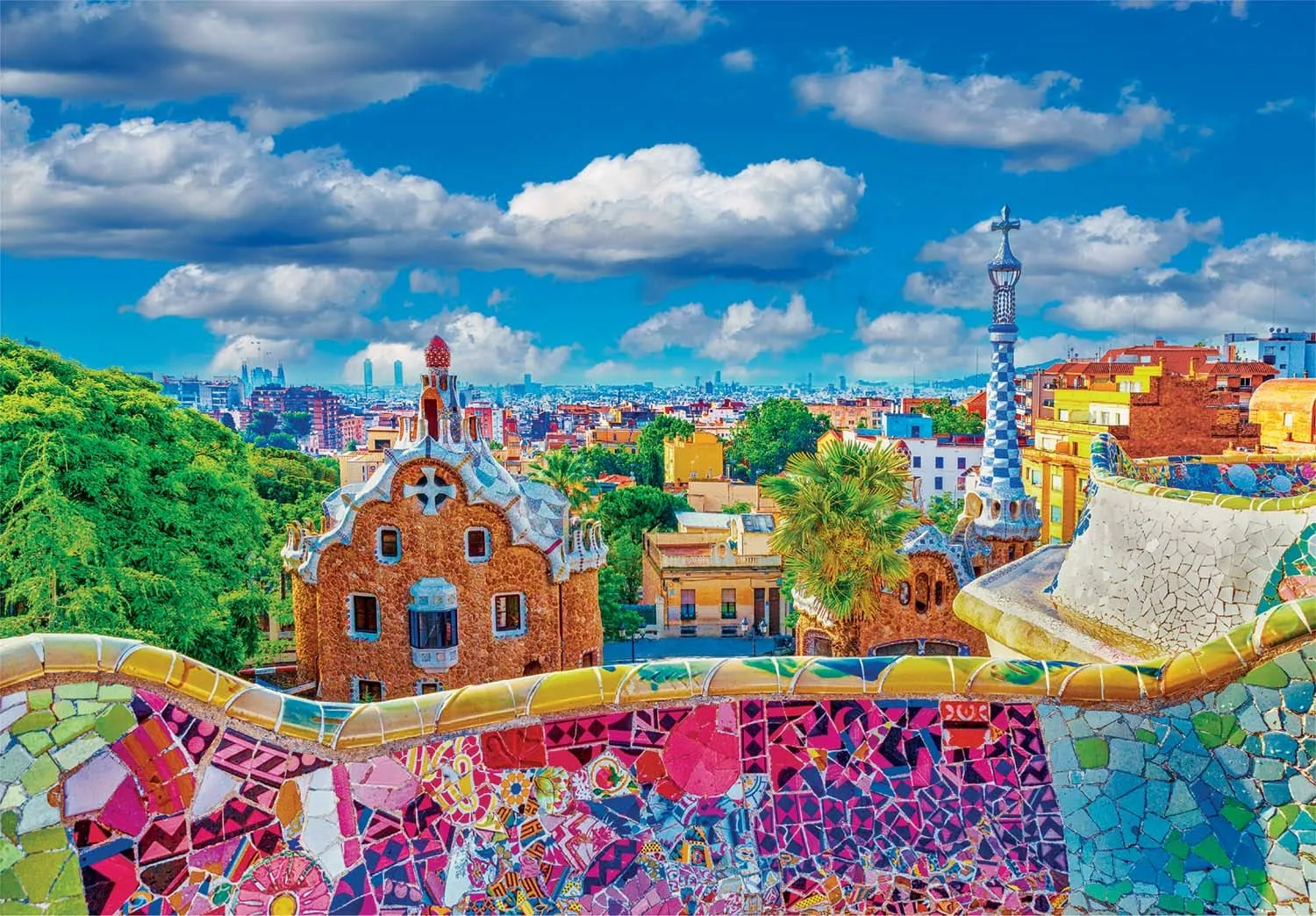
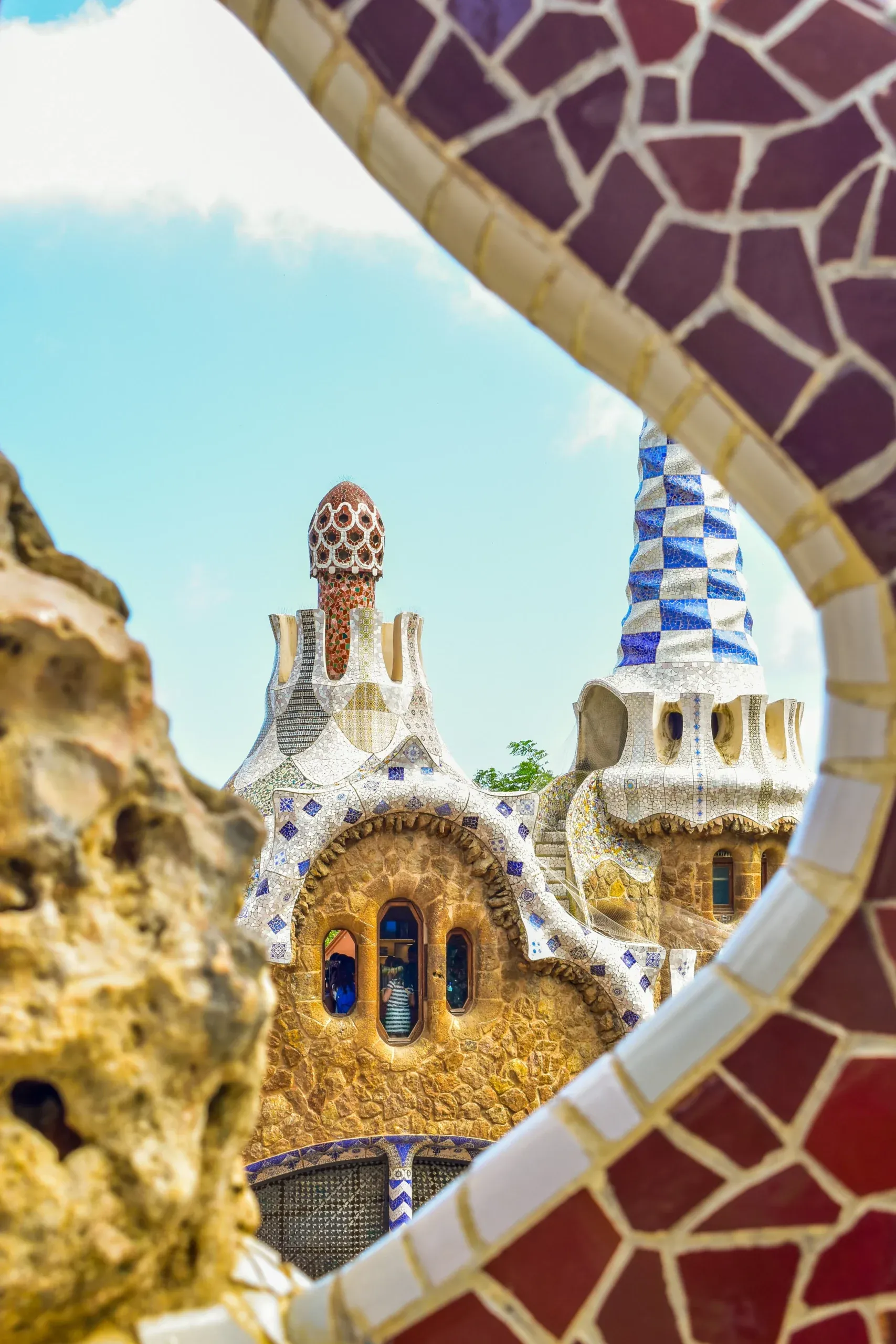
Park Güell: Gaudí’s Vision of a Natural Utopia
Park Güell sits high above Barcelona, where the city fades into the hills of Gràcia. Conceived in 1900 by industrialist Eusebi Güell and designed by Antoni Gaudí, it began as an ambitious garden city and evolved into one of the world’s most poetic public spaces.
1) Origins & Concept (1900–1914)
| Year | Milestone | Outcome |
|---|---|---|
| 1900 | Commission by Eusebi Güell | Garden-city plan inspired by English models |
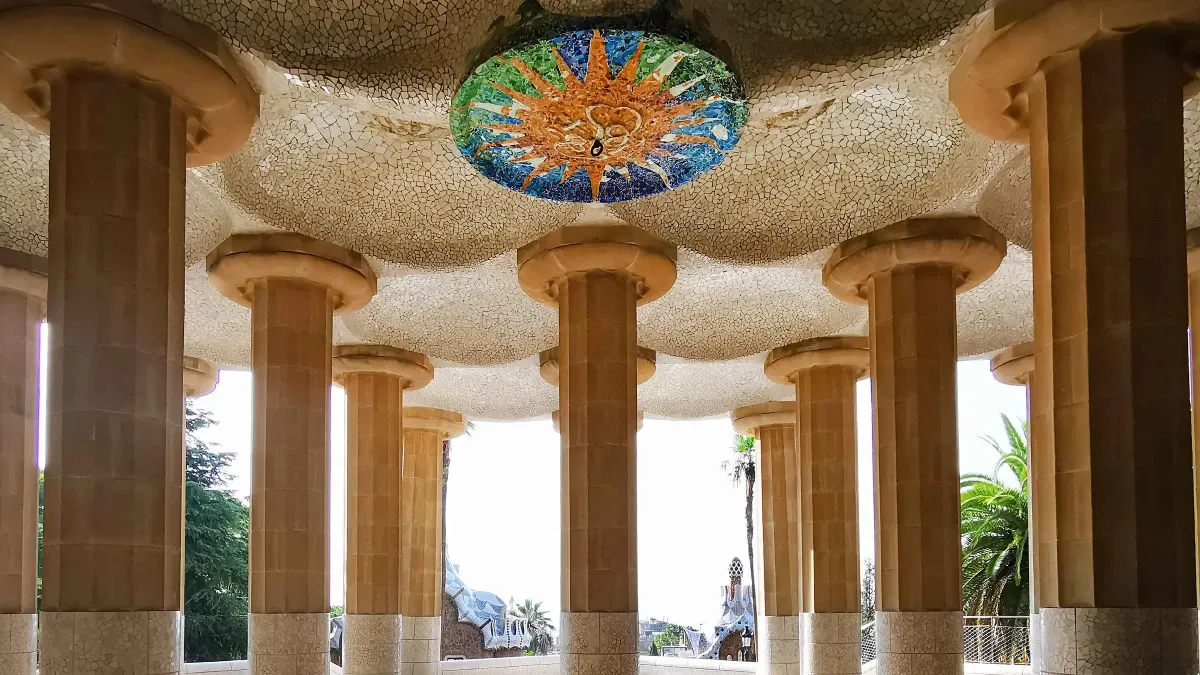
| 1902–1907 | Core monumental works | Grand staircase, Dragon Fountain, Hypostyle Hall |
| 1914 | Project slowdown | Residential sales stalled; only two houses built |
| 1922 | City acquisition | Opened as a public park |
| 1984 | UNESCO inscription | “Works of Antoni Gaudí” recognition |
Gaudí approached the site as an ecological organism—architecture that grows with the terrain, reuses materials, and works with water, light, and gravity rather than against them.
2) Nature as Blueprint
- Columns shaped like tree trunks; viaducts like rocky ridges.
- Curves mimic shells and waves; straight lines are rare by design.
- Local stone and recycled ceramics integrate the park visually and ethically.
3) Monumental vs Natural Zones
| Zone | Highlights | Experience |
|---|---|---|
| Monumental | Dragon Fountain, Grand Staircase, Hypostyle Hall, Serpentine Bench | Intense color, symbolism, crafted detail |
| Natural | Pine paths, olive groves, lookout trails | Calm walking, city/sea views, birdlife |
4) Water & Sustainability
- Terrace drainage channels rainfall into cisterns beneath the Hypostyle Hall.
- Recycled trencadís mosaics repurpose factory offcuts into vibrant art.
- Shade, airflow, and terrain-adaptive pathways reduce environmental load.
5) People & Legacy
- Eusebi Güell lived within the park; Gaudí resided nearby and studied light daily.
- Modern Barcelona protects the site while enhancing accessibility and visitor flow.
Bottom Line
Park Güell is an ethical, symbolic and sensory manifesto. It proves that urban beauty can emerge from a dialogue between craft, faith, geometry, and the living landscape.
À propos de l’auteur

Barcelona Storyteller
Voyageur et passionné d’architecture, j’ai créé ce site pour aider les visiteurs à découvrir pleinement le Parc Güell. De ses mosaïques à ses jardins, c’est l’un des lieux les plus magiques de Barcelone.
Tags
Comments (0)
Loading comments...