Ziyaret saatleriKapalı
|Pazar, Nisan 12, 2026Carrer d'Olot, s/n, 08024 Barselona, İspanya
Geri dön: culture
architecture
Architectural Wonders of Park Güell - Gaudí’s Design Explained
Explore the architectural genius of Park Güell in Barcelona, where Gaudí’s organic forms and mosaics create a world of living art.
10/9/2025
17 min read
Architectural Wonders of Park Güell
Gaudí fused geometry and biology to create architecture that feels alive. Park Güell’s forms bend with terrain, channel water, and invite airflow—an early model of integrated sustainable design.
1) Entrance Pavilions & Grand Staircase
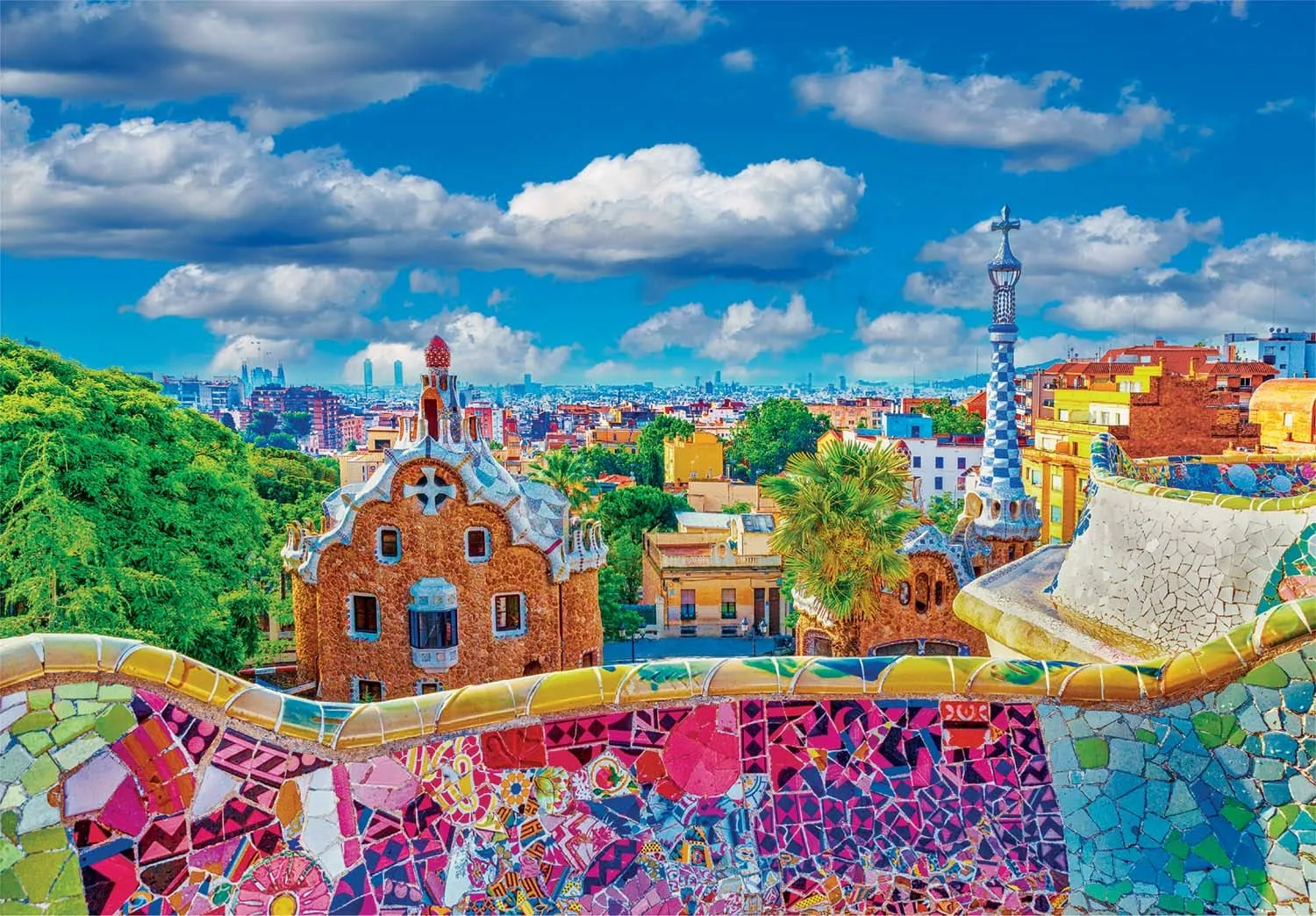
- Storybook pavilions with undulating, mosaic-scaled roofs.
- The grand staircase leads upward in theatrical segments.
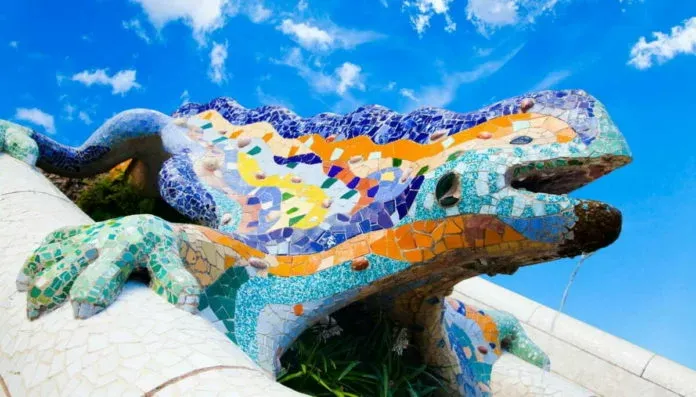
- Centerpiece: the mosaic reptile “El Drac,” both symbol and hydraulic node.
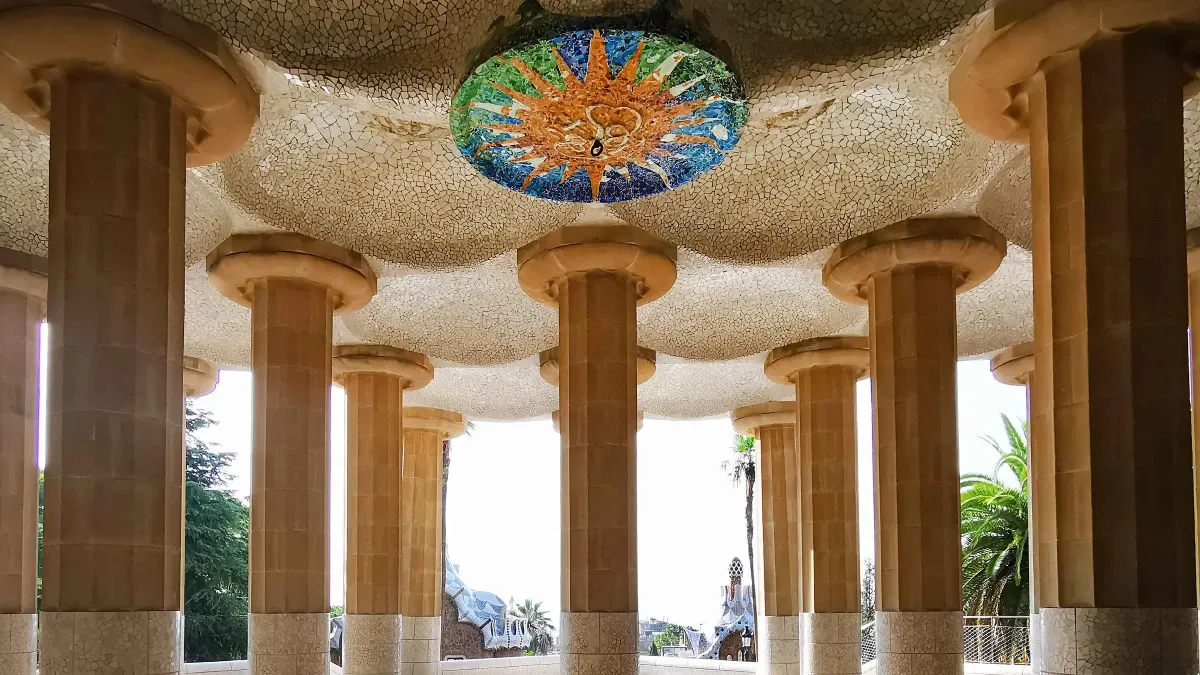
2) Hypostyle Hall (86 Columns)
| Feature | Function | Poetic Effect |
|---|---|---|
| Doric columns | Support terrace above | Stone forest ambiance |
| Ceiling medallions | Solar/cosmic motifs | Color punctuations of light |
| Hidden hydraulics | Rainwater to cistern | Sustainable water cycle |
3) Nature Square & Serpentine Bench
- Ergonomic, human-centered seating shaped to spine curvature.
- Trencadís mosaics create chromatic gradients and tactile comfort.
- One of the world’s longest continuous benches with panoramic views.
4) Viaducts, Porticos & Terrain Logic
- Columns tilt like trunks; arches imitate waves.
- Rough local stone blends architecture into hillside context.
- Paths modulate shade, sightlines, and microclimate.
5) Trencadís Craft & Circularity
- Reuse of ceramic offcuts → vivid, durable skin.
- Mosaic controls reflectance, glare, and color temperature.
6) Design Tips for Visitors
- Study joints and transitions; Gaudí hides engineering in ornament.
- Observe how water travels during or after rain for insight into hydraulics.
Bottom Line
Park Güell is a total work of art where structure, ornament, and environment perform together—beauty as function.
Yazar hakkında

Architecture Enthusiast
Gezgin ve mimari meraklısı – siteyi Park Güell deneyimi için yaptım.
Tags
Park Güell Architecture
Gaudí
Barcelona
Modernism
Design
Comments (0)
Leave a Comment
Loading comments...